Switch to Aesthetics Depot Canada



If you are a licensed medical professional running a medspa, aesthetic clinic, or solo injector practice in the USA, buying wholesale medical aesthetics is how you protect your margins without cutting corners on quality. Now, we will be discussing— who qualifies, what to look for in a supplier, which products are available, and avoiding the common mistakes that cost clinics and injectors real money every year.
Who Actually Qualifies to Buy Wholesale Medical Aesthetics Products?
Buyin wholesale medical aesthetics in USA is strictly reserved for licemsed medical professionals. It includes physicians, nurse practitioners, registered nurses, dentists, physician assistants, and other licensed practitioners operating within their scope of practice.
Medspa owners who does not own a clinical license; they need a licensed medical director on file to qualify through most wholesale suppliers.
What you will be needing generally need to provide when setting up a wholesale account:
- A valid state medical or professional license
- Proof of your clinic, practice, or business (business registration, DEA number in some cases)
- A signed professional declaration or account application
Reputable suppliers verify this. If a wholesale supplier never asks about your license, this is not something to be happy. It is a major red flag
What is the Difference Between a Wholesale Supplier and a Gray Market Seller?
A legitimate wholesale medspa supplier sources directly from manufacturers or authorized distributors. Products come with intact cold chains (for temperature-sensitive injectables), verifiable lot numbers, traceable documentation, and expiration dates you can confirm. When you buy dermal fillers USA through a verified B2B wholesaler, you get a paper trail that protects your patients and your license.
Gray market sellers are a different story. These are unauthorized resellers moving product through unofficial channels — often sourced from other countries, stored without proper temperature controls, or near expiration. The price looks attractive, but the risk is not worth of taking.
A few questions to ask from your supplier:
- Do you directly source products from the manufacturer or authorized distributor?
- Can you provide lot number documentation on request?
- How is cold chain maintained during shipping?
If those answers are vague, keep looking.
What Products Can You Actually Buy Wholesale?
The wholesale medical aesthetics space covers a wide range of professional-use products. Here’s what’s typically available through a proper B2B supplier:
Dermal Fillers
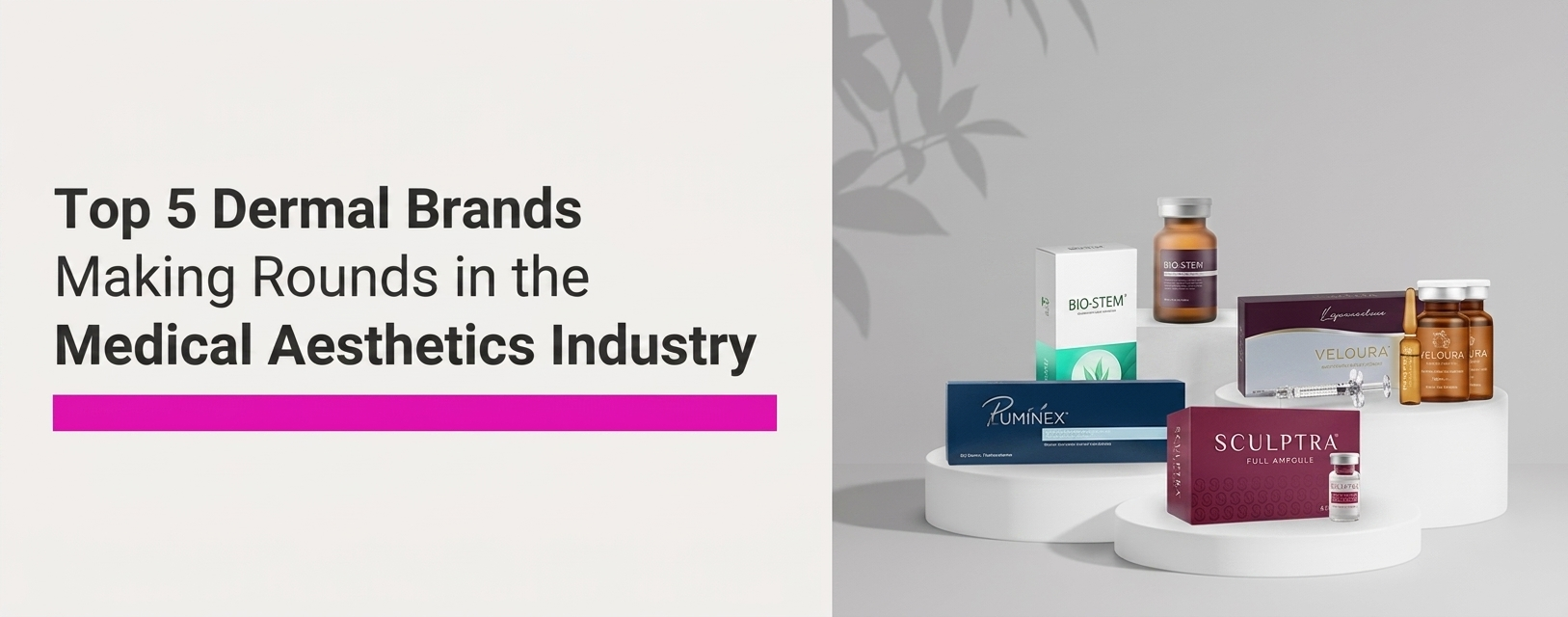
Hyaluronic acid fillers remain the highest-volume category. Brands like JUVÉDERM® VYCROSS®, Restylane®, Teosyal® RHA®, and others are available wholesale for licensed buyers. Different formulations serve different indications — lip volume, mid-face lifting, fine line correction, and deeper structural support.
Neuromodulators
Botulinum toxin products for wrinkle relaxation treatments. These require particularly strict cold chain management, so your supplier’s shipping standards matter a lot here.
Biostimulators and Collagen Inducers
Products like RADIESSE® sit in this category. They work differently than HA fillers and are positioned differently in treatment planning — worth understanding from a clinical and inventory standpoint.
Mesotherapy and Skin Boosters
Filorga NCTF, MCCM ampoules, and similar products for skin quality treatments. This category has expanded significantly and some of the highest-margin treatments in medspas fall here.
Lipolytic and Dissolving Products
LIPORASE® (hyaluronidase) for filler dissolution is something every practice should have on hand. Phosphatidylcholine-based lipolytic products are also part of most wholesale catalogs.
Devices and Equipment
Professional devices for laser treatments, body contouring, skin rejuvenation, and other modalities are also available through wholesale medical device suppliers. This category carries higher price points but also long-term ROI for clinics adding new service lines.
How Do You Evaluate a Wholesale Supplier Before You Commit?
Price is one factor. It’s not the only one.
A supplier that’s 10% cheaper but regularly ships incomplete orders, takes a week to respond to issues, or sends product without documentation will cost you more than the savings in time, stress, and risk. Here’s what to actually evaluate:
Product Authentication and Documentation
Can they provide lot numbers, expiration dates, and chain-of-custody documentation? This is non-negotiable.
Cold Chain and Shipping Standards
For temperature-sensitive products, how does packaging hold up in transit? What happens if a shipment is delayed by the carrier? These are reasonable questions to ask before your first order.
Stock Availability and Lead Times
Some suppliers look great online but run out of key SKUs constantly. Ask about average lead times and whether popular products are kept in stock regularly.
Account Support
When something goes wrong — a missing item, a damaged shipment, a billing question — how responsive is the team? A dedicated account manager or direct contact line is worth a lot.
Regulatory Compliance
Is the supplier operating within FDA and state-level guidelines for the products they’re selling? Check that they’re only selling to verified licensed professionals and that they’re not offering products that lack proper US clearances or approvals.
Is It Cheaper to Buy Wholesale Than Through a Sales Rep?
For most practices, yes — with some nuance.
Manufacturer sales reps often come with perks: training credits, sample allocations, rebate programs. For very high-volume practices locked into specific brands, those relationships can have real dollar value.
For practices that want more flexibility in their product mix, or that are managing costs carefully, buying wholesale through a distributor tends to offer better per-unit pricing without the brand loyalty requirements. You’re not locked into one manufacturer’s portfolio.
The math usually favors wholesale when:
- You order more than a few boxes per month
- You want to carry multiple filler brands
- You’re not in a formal rebate program with a manufacturer
- You’re a newer or mid-size practice without established rep relationships
What Should You Know About Shipping Medical Aesthetics Products in the USA?
A few things worth understanding before your first order.
Most injectables require 2-day shipping at minimum, with proper cold packs. Some products need refrigeration throughout transit. Your supplier should be handling this correctly by default — but confirm their shipping protocols for temperature-sensitive products before ordering.
Customs isn’t a factor for domestic orders, but if a supplier is shipping internationally, check whether products cleared through US customs with proper FDA documentation. Products shipped from outside the US require proper import documentation and in some cases FDA review.
Delivery address requirements are common — most legitimate wholesale suppliers will only ship to verified clinic or practice addresses, not residential addresses.
What Are the Most Common Mistakes When Buying Wholesale for the First Time?
A few patterns show up repeatedly with clinics that are new to wholesale purchasing.
Choosing purely on price.
The cheapest option on a Google search isn’t always the safest source. Price matters, but so does documentation, cold chain handling, and whether the supplier is actually selling to verified license holders. A filler that arrived improperly stored and caused an adverse event won’t feel like a bargain.
Not confirming product authenticity before ordering.
Ask for lot number documentation upfront. Authentic products from authorized suppliers will have this without any hesitation. If a supplier deflects or can’t provide it, that tells you something.
Ordering without checking expiration windows.
This one catches newer buyers off guard. Some wholesale suppliers move product that’s close to expiration. For injectables you’ll use over the next several months, check the expiration dates before completing your first order. A standard ask: request product with at least 12 months remaining on expiration.
Skipping the license verification process.
Some buyers try to expedite this. A supplier that skips verification to make a sale faster isn’t one you want to build a supply chain on. The verification process exists for patient safety and regulatory compliance. It’s worth taking a few extra days to do it right.
Underestimating shipping requirements.
Injectables have specific storage requirements and those don’t pause during transit. Ordering a large shipment during a heat wave without confirming cold pack standards is a mistake. Ask your supplier how they handle summer shipping and what their protocol is when carrier delays happen.
Not building a purchasing rhythm.
Reactive ordering — buying when you’re almost out — leads to rushed decisions, paying rush shipping, and occasionally running out of a product mid-booking period. A simple monthly inventory review cuts most of that friction. Most wholesale accounts make reordering straightforward once you’ve got your SKUs identified.
Bottom Line
It’s not all about the lowest price when it comes to purchasing medical aesthetics wholesale products. But it is about selecting a supplier that will safeguard your practice, your patients, and your reputation.
If you’re a physician, nurse injector, NP, or licensed medspa operator looking to buy wholesale medical aesthetics products in the USA without the guesswork, this is where to start.
At Aesthetics Depot, we take pride in being your premier wholesale supplier of Medical Aesthetics Products. To learn more, check our website or call 647-800-7945. For any sales-related queries, email salesusa@aestheticsdepot.com.